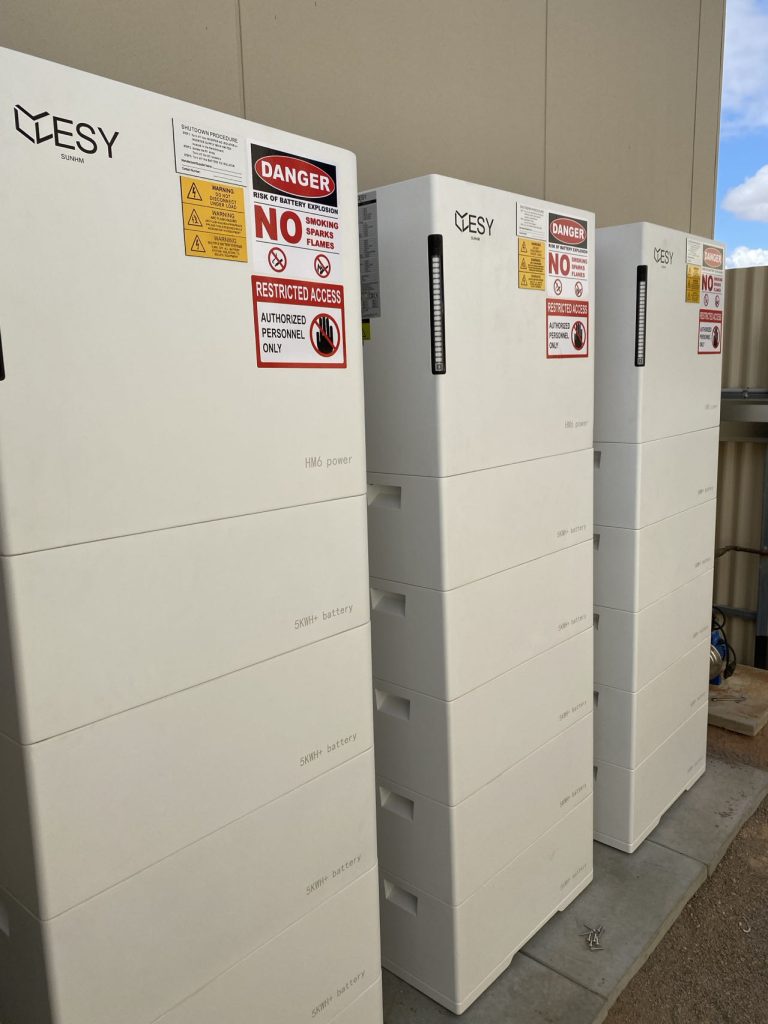
Installing solar is not just another home upgrade. It is a long term infrastructure decision that directly affects your electricity bills, system performance, safety, and financial return for the next 20 to 25 years. In Melbourne, where electricity prices continue to rise and more homeowners are investing in solar and solar plus battery systems, choosing the right licensed installer is one of the most important steps in the entire process.
A properly installed system can significantly reduce electricity costs and provide long term stability. A poorly installed system can create safety risks, underperformance, and complicated warranty issues. Before signing any agreement, it is essential to understand what separates a professional licensed installer from a risky option.
Verify Licensing and Accreditation First
In Victoria, solar installation must be completed by a licensed electrician. This requirement is not optional. Before moving forward, confirm that the installer holds a valid Electrical Worker Licence in Victoria. If you are installing a battery system, ensure they are properly accredited to install battery storage systems as well.
Do not rely only on a salesperson’s claim. Ask for the licence number and verify it if necessary. A professional installer will provide this information confidently and transparently. Licensing is not just a technical detail. It directly impacts safety, compliance, and your ability to claim warranties or insurance support if something goes wrong.
Understand Who Will Physically Install Your System
One of the most overlooked questions in the solar industry is who actually completes the installation work. Many solar companies operate primarily as sales organisations. They close contracts and then outsource installation to external crews.
While subcontracting is common in the industry, it can create gaps in accountability. If the installation is outsourced, ask who is responsible for workmanship, who handles defects, and who manages after installation support.
When the same company handles both sales and installation with an in house licensed team, quality control is usually stronger and communication is clearer. This structure often results in better consistency and faster resolution if any issues arise.
Do Not Compare Quotes Based on Price Alone
Solar quotes in Melbourne can vary widely. If one quote is significantly cheaper than others, investigate carefully before assuming it is better value. Price differences typically reflect variations in panel quality, inverter type, battery capacity, installation standards, and after sales support.
Lower pricing can sometimes mean lower tier components or reduced installation time. Solar is a long term investment. Saving a small amount upfront may reduce performance and reliability over time.
Instead of asking which quote is cheapest, focus on what is included. Compare panel brands, inverter specifications, battery capacity, warranty terms, and workmanship coverage. A clear breakdown helps you understand long term value rather than short term cost.
Insist on a Proper Site Inspection
A serious licensed installer will conduct a proper inspection before installation. Online estimates and satellite imagery can provide a rough idea, but they are not sufficient for accurate system design.
A site inspection should confirm roof condition, shading impact, switchboard capacity, cable routing, and appropriate system sizing. Homes across Melbourne vary significantly in roof orientation, electrical setup, and structural condition. An inspection ensures the system is tailored specifically to your property.
Skipping inspection increases the risk of performance issues and unexpected complications during installation.
Request Clear Energy Savings Calculations
The primary reason most homeowners install solar is to reduce electricity bills. If your monthly electricity bill is over 150 dollars, solar can create measurable savings. However, those savings depend on correct system sizing and realistic assumptions.
A professional installer should explain estimated annual energy production, expected reduction in grid usage, feed in tariff assumptions, and estimated payback period. If savings projections appear unrealistic or unclear, ask for clarification.
Transparent calculations show that the installer understands system design and is focused on long term performance rather than quick sales.
Confirm Experience with Solar Plus Battery Systems
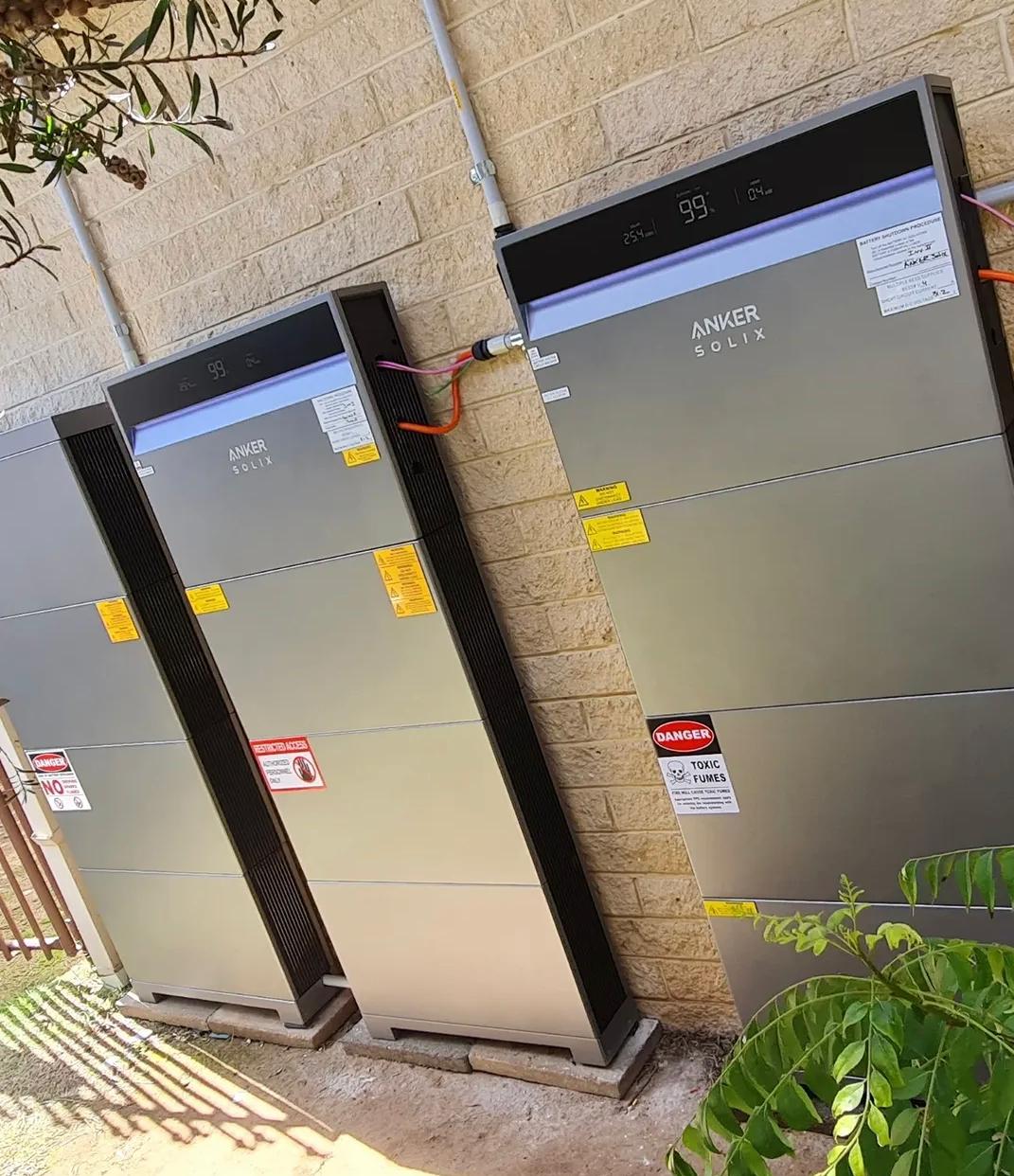
Installing a solar only system is different from installing a hybrid solar and battery setup. Battery systems require careful configuration, inverter compatibility, and proper backup design if blackout protection is required.
If you are considering adding a battery, ask how many battery systems the company has installed and whether they configure blackout backup systems. Not all batteries automatically provide power during outages. Backup functionality must be properly wired and configured.
Experience with battery systems ensures that your installation operates safely and performs as expected under both normal and blackout conditions.
Review Warranty Terms Carefully
Warranties protect your long term investment. A licensed installer should clearly outline panel product warranty, performance warranty, battery warranty, and workmanship warranty.
It is equally important to confirm who handles warranty claims. Will you contact the installer directly or deal with the manufacturer yourself. What happens if the installer closes in the future. Clear written documentation reduces uncertainty and builds confidence.
Strong warranty support reflects both product quality and company stability.
Evaluate Local Experience in Melbourne
Melbourne has specific regulatory and grid requirements. An installer familiar with Victorian standards understands local network approval processes, compliance requirements, and weather related design considerations.
Experience working in Melbourne’s West, South East, and surrounding suburbs can improve installation efficiency and reduce approval delays. Local knowledge often results in smoother project management and better system optimisation.
Read Reviews and Look for Consistency
Online reviews can provide helpful insight, but focus on consistent feedback rather than isolated comments. Look for repeated mentions of clean workmanship, professional behaviour, clear communication, and reliable after installation support.
Patterns in customer feedback often reveal the true quality of service. Consistency over time is a strong indicator of professionalism.
Confirm Business Stability and Accountability
Solar systems are designed to operate for decades. Choose a company structured for long term operation. Before signing, ensure the business is registered in Australia, holds appropriate insurance, and provides clear contact details.
Ask how long the company has been operating and whether solar installation is their core service. Stability increases the likelihood of reliable support over the life of your system.
Final Thoughts Protect Your Long Term Investment
Solar installation in Melbourne continues to grow rapidly. With that growth comes a wide range of pricing models, service standards, and quality levels.
Choosing a licensed solar installer is not about selecting the lowest price or the fastest quote. It is about protecting your safety, warranty coverage, and long term electricity savings.
When you verify licensing, confirm installation responsibility, insist on inspection, review warranties carefully, and request transparent savings calculations, you significantly reduce risk.
Solar is a long term financial decision. Taking the time to choose the right licensed installer in Melbourne protects your investment for the next 20 to 25 years.